
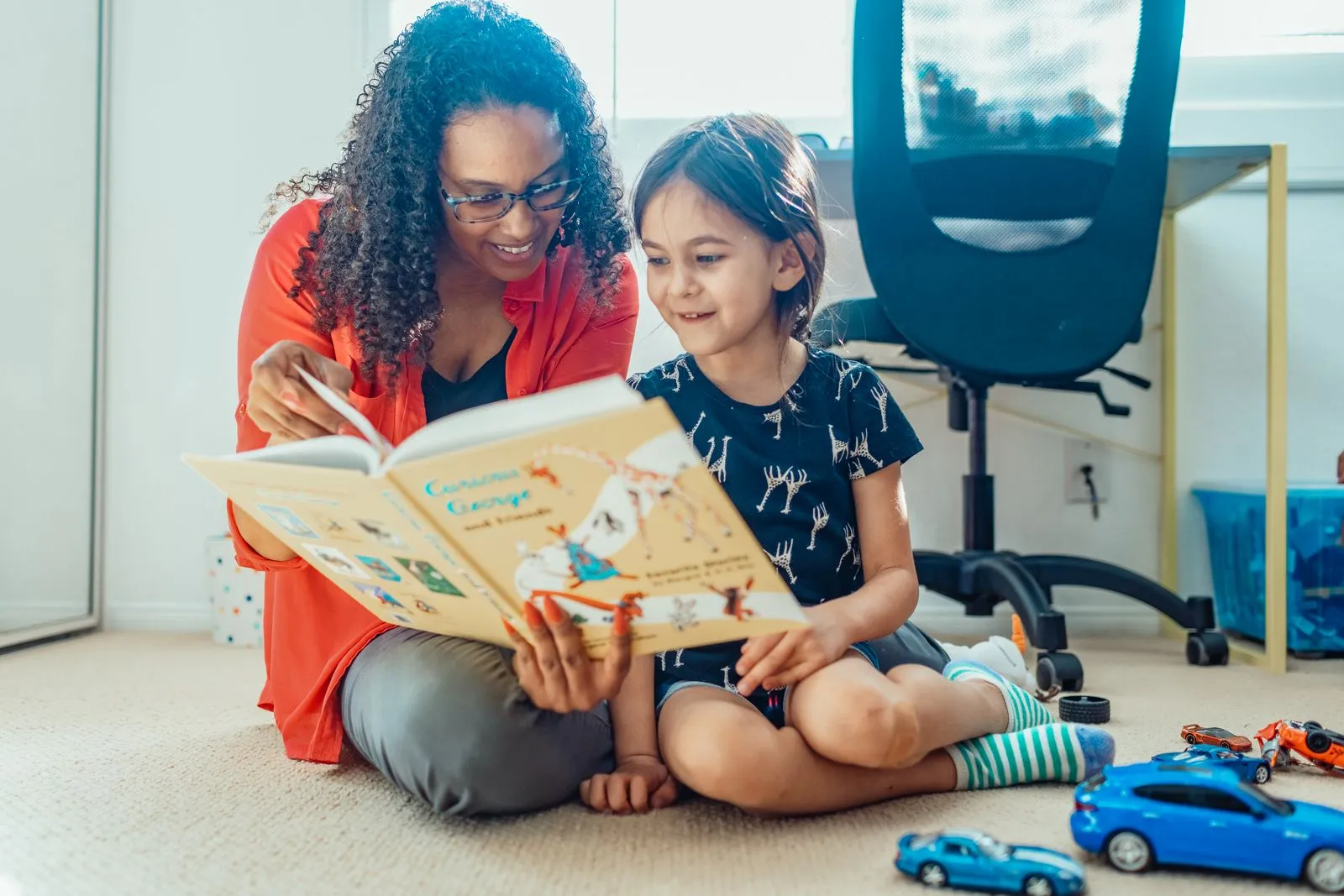
The right book makes fluency practice feel achievable, not like a test. A child needs enough familiarity to read many words accurately, along with a little new vocabulary or a fresh challenge to keep learning. Choose books that match the reader’s current skills and interests, then give them room to reread. These practical checks can help you find stories and texts that support smoother, more confident reading at home or during tutoring.
Check the level while reading
Have the child read a short passage aloud before committing to a book. Notice whether they can recognize most words, keep the meaning in mind, and recover from an unfamiliar word with reasonable support. If they stop repeatedly or guess at many words, choose an easier text for fluency practice and save the harder book for shared reading.
A useful practice book should not feel effortless, but the child should be able to read much of it accurately. Listen for long pauses, skipped words, and frustration as well as mistakes. The goal is a passage the reader can work through successfully, with occasional coaching—not a page that requires an adult to explain nearly every sentence.
Match the book to the reader
Choose topics the child genuinely wants to explore. Animals, sports, humor, mysteries, or practical how-to books can all work if the language suits the reader. Interest gives a child a reason to return to the same text, and rereading is more inviting when the content feels worth revisiting.
Consider format as well as topic. Short chapters, clear print, manageable page layouts, and illustrations that support the story can help a reader stay oriented. For older children who are still building fluency, choose age-respectful subjects with accessible wording so the material does not feel babyish.
Use rereading with purpose
Repeated reading helps a child become more familiar with words, phrasing, and punctuation. Start with a short passage rather than asking them to repeat an entire book. Read it aloud together once if needed, then invite the child to practise it again, aiming for accurate words and a smoother pace while keeping the meaning clear.
Keep each rereading supportive. Offer a brief prompt when the child gets stuck, such as looking at the first sound or rereading the whole sentence. Avoid turning practice into a race. You can notice specific progress—like fewer stops or a more expressive line—without demanding that every reading sound perfect.
Build a small, varied book basket
Keep a few suitable choices available instead of relying on one book. Include a familiar favorite for confident rereading, a new text at a similar level, and a slightly more challenging option to explore together. This mix lets the child practise independently while still encountering new words and ideas with support.
Review your choices as reading develops. A book that once required help may become a comfortable practice text, while another may prove too demanding for solo reading. Ask the child which text they want to revisit, and watch how they respond during aloud reading. Their accuracy, comfort, and interest provide useful guidance for the next selection.
Choose books that let a child read accurately, stay interested, and return to a passage without pressure. A little challenge is useful when support is available; persistent struggle is a sign to adjust the text. For tailored guidance on fluency practice, Brisbane Reading Studio can help you explore options that fit your reader.